

 478-286-0392
Storm Damage Roof Replacement (8 Powerful Steps)
Written by
Leroy Whitt
A strong storm can leave your roof vulnerable, and knowing what to do next is critical to protecting your home. Understanding storm damage roof replacement helps you act quickly, document issues accurately, and restore your roof before small leaks turn into major problems. Homeowners in Savannah, GA often face high winds, heavy rain, and coastal storms that can take a serious toll on roofing systems.
- Immediate response: Learn what to do first after a storm.
- Damage assessment: Identify visible and hidden roof issues.
- Repair vs replacement: Know which solution fits your situation.
- Professional help: Understand the contractor’s role.
- Long-term protection: Strengthen your roof for future storms.
Let’s explore the most effective steps for recovering from storm damage and ensuring your home stays protected year-round.
Why Acting Quickly After Storm Damage Matters
Even minor roof damage can worsen quickly. Savannah’s combination of salt air, heat, and storms accelerates shingle deterioration and moisture intrusion. Acting within the first 24–48 hours prevents leaks from spreading and helps preserve your roof’s structural integrity.
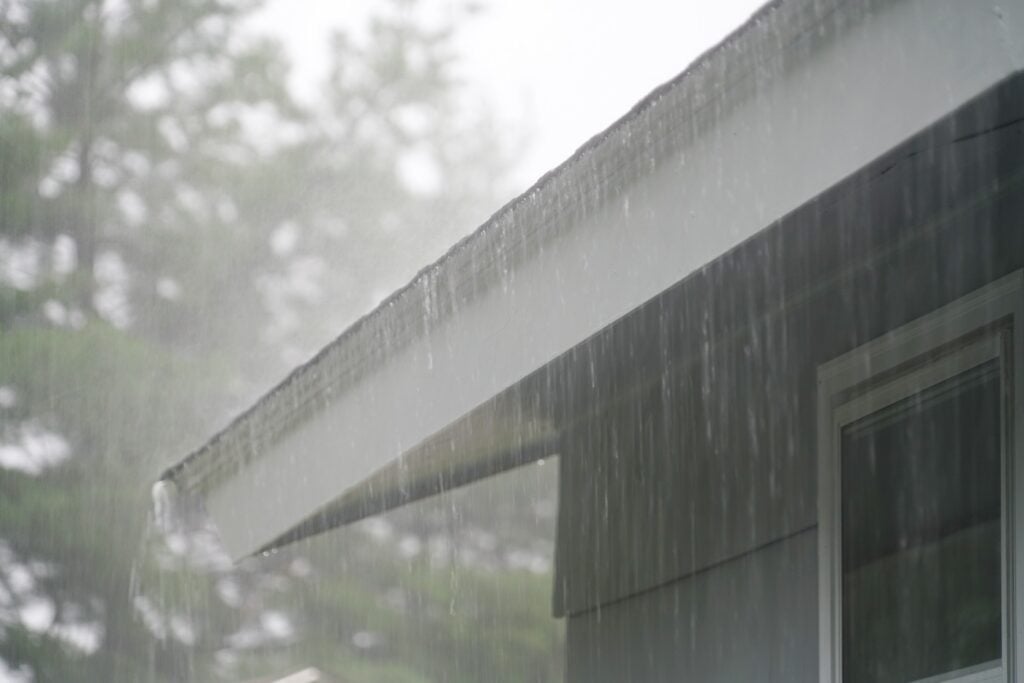
Storms often damage more than just the shingles. Gutters, flashing, vents, and roof decking can all be affected, leading to hidden leaks. A prompt inspection from a professional roofing contractor ensures nothing is overlooked.
Signs Your Roof May Be Compromised
After a major weather event, a quick ground-level check can help identify problems.
- Missing or cracked shingles: Wind or debris can rip shingles loose.
- Visible leaks or water stains: Indicators that moisture has entered your attic or ceilings.
- Dents from hail or debris: Small impacts that weaken protective layers.
- Lifted flashing or vents: Common points where water seeps in during storms.
- Clogged gutters: Blocked drainage causes overflow and pooling water near the roofline.
If any of these issues are visible, schedule a roof inspection immediately to prevent worsening damage.
8 Powerful Steps for Effective Storm Damage Roof Replacement
Storm recovery requires a clear, organized plan. These eight steps will guide you from initial inspection to a fully restored, durable roof.
- Ensure personal safety: Wait until the storm passes and the area is safe before inspecting the property. Avoid climbing onto the roof.
- Inspect visible areas: Walk around the home to note debris, fallen branches, or damaged shingles.
- Document the damage: Take photos and videos of affected areas, both inside and outside.
- Contact a trusted roofing contractor: Local professionals experienced in storm restoration can evaluate damage accurately.
- Schedule a detailed roof inspection: A professional inspection identifies not only visible damage but also underlying structural issues.
- File your insurance claim: Provide photos, inspection reports, and weather documentation to support your claim.
- Approve repair or replacement plans: Review material options and ensure your roofing company uses high-quality, storm-rated products.
- Monitor post-replacement performance: After installation, schedule a follow-up check to confirm everything remains sealed and secure.
How Roofing Contractors Assess Storm Damage
Professional roofers use proven methods to identify which repairs are essential and when a full replacement is necessary. Savannah’s weather patterns require contractors who understand both inland and coastal roofing challenges.
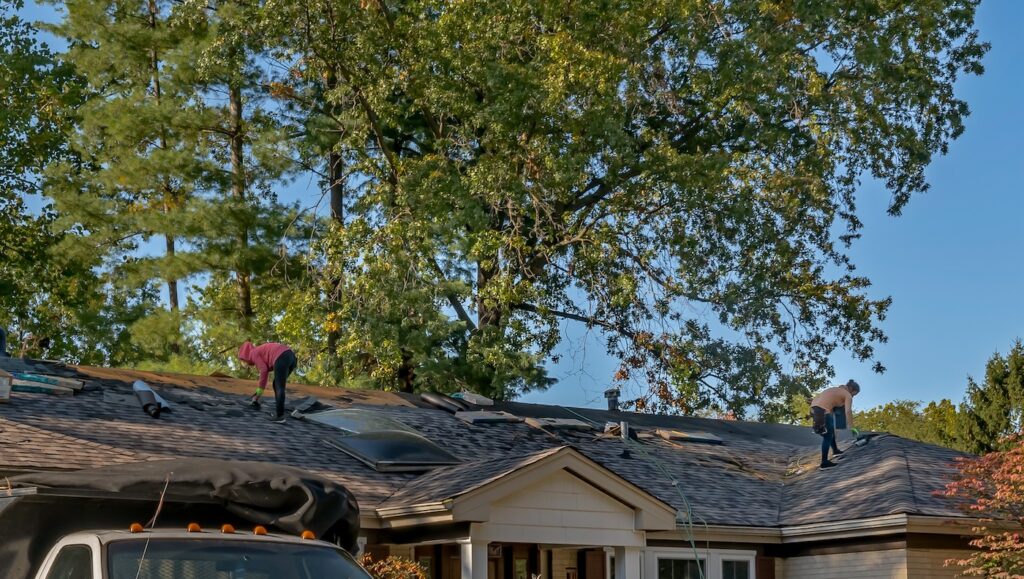
What Contractors Look For
- Surface damage: Cracked, lifted, or missing shingles.
- Moisture entry points: Leaks around flashing, vents, or chimneys.
- Decking condition: Checking for warping or soft spots that compromise support.
- Gutter and drainage performance: Proper water flow prevents future leaks.
A thorough inspection provides an accurate repair estimate and helps homeowners decide between roof repair and replacement.
Deciding Between Repair and Full Replacement
Determining whether to repair or replace depends on the roof’s age, the extent of the storm damage, and your long-term goals. A few missing shingles may be fixable, but widespread structural damage or multiple leaks often call for full replacement.
Comparison of Repair vs. Replacement Factors
| Evaluation Factor | Roof Repair | Full Replacement | Recommended When |
| Roof age | Under 10 years | 15+ years | When roof is nearing or past warranty period |
| Damage severity | Localized or minor | Widespread or structural | When multiple leaks or structural damage exist |
| Cost | Lower upfront | Greater long-term savings | When frequent repairs are adding up |
| Lifespan extension | Short-term fix | Restores full service life | When you want lasting protection and resale value |
| Insurance coverage | Partial or limited | Often covers major storm loss | When approved for storm-related damage |
| Shingle condition | Minor wear or missing pieces | Curling, cracking, or missing large sections | When storm has stripped large roof areas |
The Roof Replacement Process Explained
Replacing a storm-damaged roof involves more than just removing old shingles. Your roofing company will follow a multi-step process to ensure lasting results.
- Tear-off and debris removal: All damaged shingles and underlayment are removed.
- Deck inspection: Roof decking is checked for rot or moisture damage.
- Underlayment installation: A waterproof barrier is added to prevent leaks.
- Flashing and vent installation: Key areas are sealed to keep water out.
- New shingle installation: Storm-rated materials are installed for durability.
- Final inspection: The contractor confirms every detail meets code and warranty standards.
Throughout this process, a reputable roofing contractor provides updates, ensures safety compliance, and minimizes disruption to your home.
Preparing for Future Storms
Once your new roof is installed, routine maintenance is the best way to extend its lifespan. Homeowners in coastal Georgia benefit from annual inspections before hurricane season to spot small issues early.
- Trim overhanging branches: Prevent debris from hitting the roof.
- Clean gutters regularly: Keep water flowing properly.
- Check attic ventilation: Good airflow prevents moisture buildup.
- Schedule periodic inspections: Early detection saves time and money.
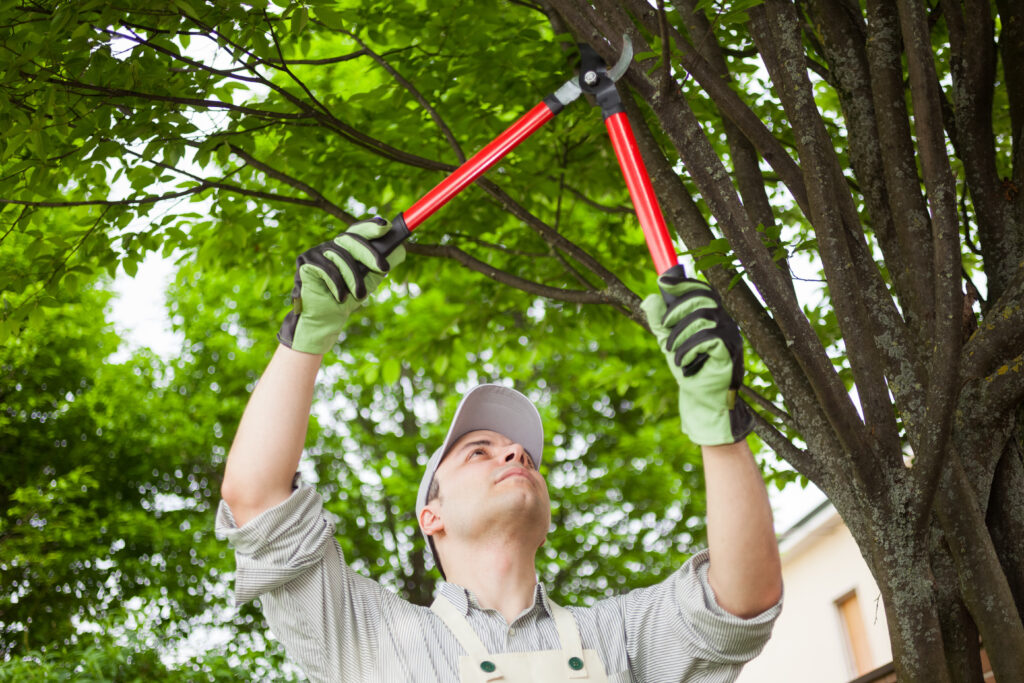
We’re proud to serve homeowners in Savannah, GA, and nearby communities with preventive maintenance programs, roof inspections, and emergency storm repair services.
Why Choosing the Right Roofing Company Matters
Not all contractors are equally equipped to handle storm-related damage. Selecting a local roofing company with experience in storm restoration ensures your project is done correctly from start to finish.
What to Look For
- Local expertise: Knowledge of Savannah’s storm patterns and coastal regulations.
- Proper licensing and insurance: Protects both homeowner and crew.
- Proven reputation: Positive reviews and verifiable references.
- Material quality: Contractors who use impact-resistant and weather-tested materials.
Rebuild Strong with Whitt’s Quality Roofing
Storms can strike at any time, but with the right team, recovery doesn’t have to be stressful. Whitt’s Quality Roofing specializes in storm damage roof replacement, helping Savannah homeowners restore safety, strength, and confidence in their homes.
Our experienced roofing experts handle every step—from inspection and documentation to final installation—with precision and care. Whether you need minor storm repairs or a complete roof replacement, we deliver dependable results built to withstand Georgia’s toughest weather. Schedule your free roof inspection with Whitt’s Quality Roofing today and start rebuilding stronger than ever.


