

 478-286-0392
7 Risks of Skipping a Storm Damage Roof Inspection
Written by
Leroy Whitt
If you’ve recently experienced severe weather and are wondering whether to schedule a storm damage roof inspection, it’s important to understand what’s at stake. Ignoring the inspection process can leave hidden damage undetected, leading to costly repairs down the road. Roofs take the brunt of storms, and even minor issues can grow into major problems if not addressed quickly.
Here are a few key points to consider before putting off an inspection:
- Hidden vulnerabilities: Damage is not always visible from the ground.
- Insurance impact: Skipping inspections can affect coverage on claims.
- Escalating repair costs: Minor problems often turn into expensive repairs.
- Peace of mind: Inspections confirm your roof is secure after a storm.
Why Inspections After Storms Matter
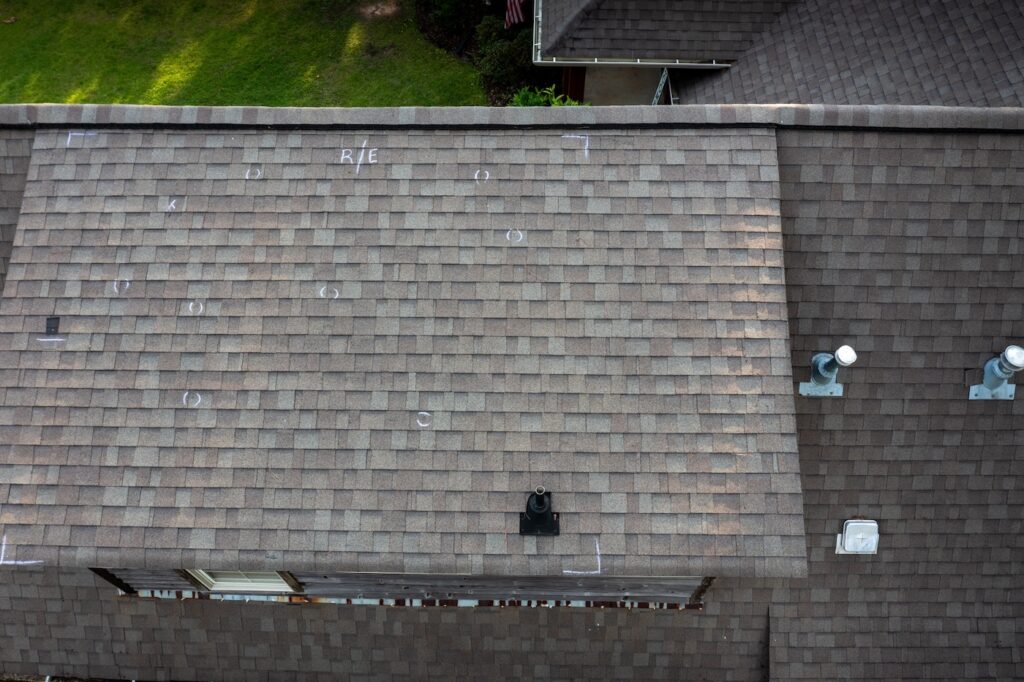
Storms often bring high winds, heavy rain, and hail—all of which put roofing materials under intense stress. While your roof may look fine from the outside, shingles, flashing, or underlayment may have been compromised. Without professional attention, these weak spots can allow water infiltration, leading to mold, rot, or insulation damage. Scheduling an inspection immediately after a storm is a preventative step that safeguards your home’s structure and value.
7 Risks of Skipping a Roof Inspection
Delaying or ignoring a storm damage roof inspection comes with serious consequences. Here are seven risks homeowners face when they avoid this important step:
- Undetected leaks: Small punctures or cracks can let in water that damages insulation, drywall, and structural beams.
- Weakened shingles: Hail and wind can loosen shingles, leaving your roof vulnerable to future storms.
- Damaged flashing: Unseen flashing issues around vents, chimneys, and skylights often lead to costly leaks.
- Mold growth: Moisture trapped inside your attic encourages mold, which spreads quickly.
- Higher repair bills: Delayed action often transforms affordable fixes into major replacements.
- Insurance denial: Failing to document storm damage may cause your insurer to deny claims.
- Reduced property value: A compromised roof lowers your home’s overall market value.
Different Storm Types and Their Impact on Roofs
Not all storms damage roofs the same way. Understanding the unique threats helps homeowners know what to look for:
- Hailstorms: Dents metal panels, cracks coatings, and loosens shingles.
- High winds: Lift shingles, rip off flashing, and create gaps that allow water in.
- Heavy rain: Exploits existing vulnerabilities, leading to leaks and water damage.
- Tornadoes and severe wind events: Can remove entire sections of roofing, leaving homes exposed.
Each type of storm leaves behind distinct damage, which is why inspections are critical after every major weather event.
DIY vs Professional Inspections
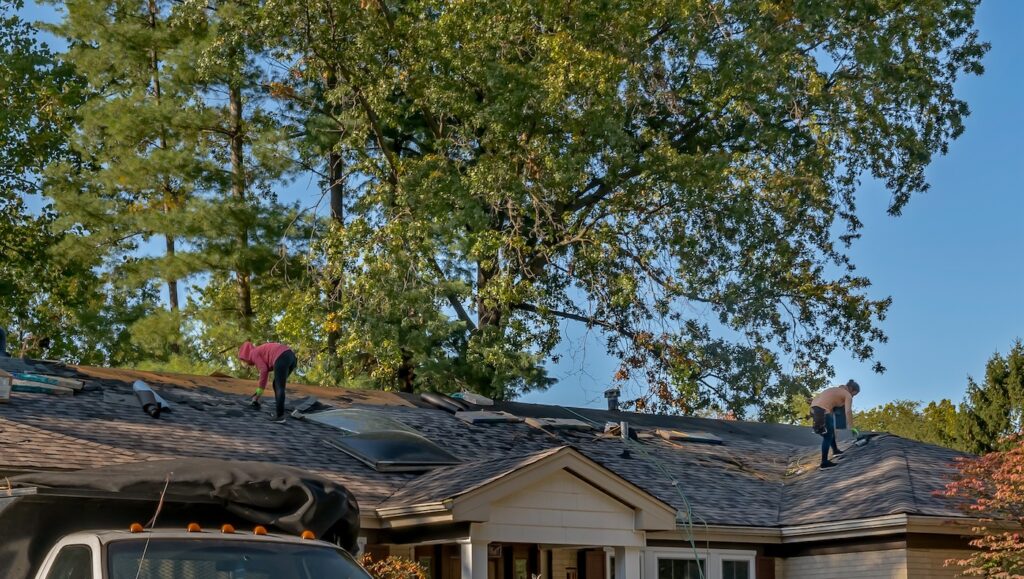
While homeowners can perform a visual check after a storm, professional inspections are far more thorough. Experts know how to identify subtle signs of hail impact, lifted shingles, or weakened flashing. They also provide detailed reports that support insurance claims. Choosing a professional ensures no issue goes unnoticed.
DIY Inspection
- Pros: Quick to perform, no cost, helpful for obvious damage.
- Cons: Easy to miss subtle damage, unsafe for untrained homeowners, no official documentation.
Professional Inspection
- Pros: Comprehensive review, advanced tools, detailed documentation for insurance.
- Cons: Requires scheduling, small upfront cost.
The Cost of Skipping Inspections
Avoiding inspections may seem like a way to save money, but the long-term costs tell a different story. Here’s a breakdown of potential repair expenses when damage goes undetected. Investing in a roof inspection, which typically costs far less than these repairs, is a smart preventative measure.
| Problem Ignored | Potential Repair Cost Range | Warning Signs to Watch For |
| Small leak left untreated | $500–$1,500 | Water stains on ceilings, musty smell in attic |
| Damaged flashing | $300–$800 | Loose metal around chimneys or vents |
| Widespread shingle damage | $2,000–$5,000 | Curling, missing, or lifted shingles |
| Roof deck replacement | $5,000–$10,000+ | Sagging rooflines, large interior leaks |
Insurance Benefits of Prompt Inspections
Insurance companies often require proof of storm damage for claim approval. Prompt inspections provide documentation that supports your case, ensuring you receive coverage for repairs. Skipping this step risks claim denial, leaving homeowners responsible for the full cost of storm-related damage.
For example, a homeowner who documents hail dents, missing shingles, and broken flashing right after a storm is far more likely to have their claim approved than someone who waits months, allowing leaks to worsen. In many cases, insurers argue that damage caused by neglect is not covered. Quick inspections eliminate this risk.
Seasonal Checklist for Post-Storm Roof Care
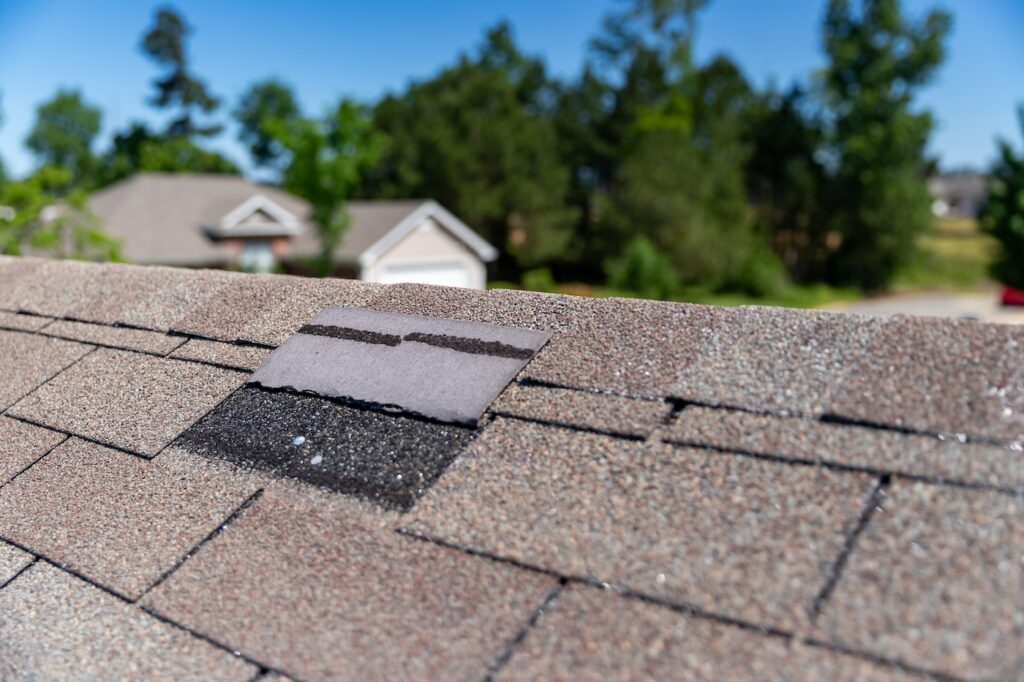
To stay ahead of potential storm damage, homeowners can follow a seasonal checklist:
Spring
- Inspect for winter wear: Snow and ice may have cracked shingles.
- Check gutters: Clear out leaves and debris to prepare for spring rains.
Summer
- Look for heat stress: UV rays can weaken shingles and coatings.
- Examine flashing: Ensure it hasn’t loosened during thunderstorms.
Fall
- Clear falling leaves: Prevent buildup that traps moisture on the roof.
- Trim nearby trees: Reduce risk of branches falling during high winds.
Winter
- Watch for ice dams: Ensure attic insulation and ventilation are effective.
- Check seals: Cold weather can cause caulking and flashing to shrink or crack.
By performing these seasonal checks in addition to professional inspections, homeowners can extend roof life and reduce costly damage.
How Georgia’s Climate Impacts Roofs
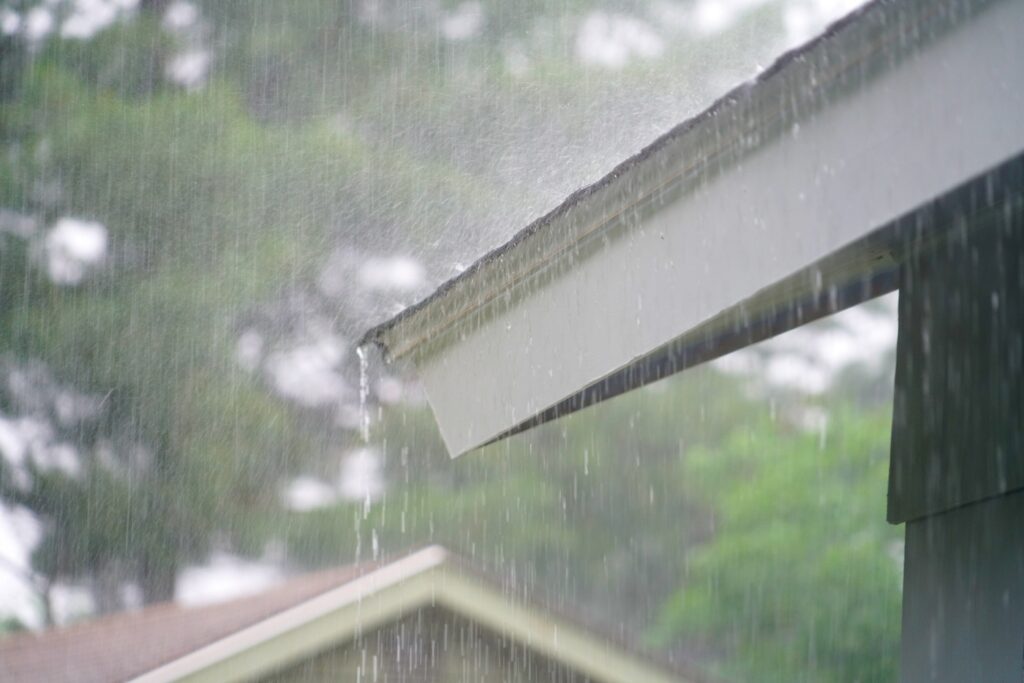
Georgia is no stranger to strong storms, from heavy rains to hail and high winds. The state’s humid climate also accelerates wear on roofing materials, especially when storm damage goes unnoticed. In Warner Robins, frequent thunderstorms and high humidity make regular inspections especially important. We’re proud to serve home and business owners in Warner Robins, GA, and surrounding areas with storm damage roof inspection services, repairs, and preventative maintenance.
Protect Your Home With Whitt’s Quality Roofing
Now that you know the risks of skipping a storm damage roof inspection, take action to protect your home. Whitt’s Quality Roofing provides free inspections, expert storm damage repair, and trusted roofing solutions that restore your peace of mind. We also work directly with insurance companies to make the claims process smoother for homeowners. Contact us today to schedule your inspection and ensure your roof is ready to withstand the next storm.


