

 478-286-0392
How To Install Metal Roofing Over Shingles? (7 Steps)
Written by
Leroy Whitt
If your shingle roof is wearing out but you’re not ready for a full tear-off, you may be wondering how to install metal roofing over shingles. This method allows homeowners to upgrade to a durable, energy-efficient metal roof without removing all the old materials first. Done correctly, it saves time and labor costs while giving your home a long-lasting new roof.
- Cost savings: Installing over shingles eliminates tear-off expenses.
- Durability: Metal roofs can last 40–70 years with minimal upkeep.
- Energy efficiency: Metal reflects sunlight, lowering cooling costs in summer.
In this blog, we’ll walk you through the steps to install metal roofing over shingles, highlight the pros and cons, and explain why professional installation is often the best choice.
🛡️ Why Choose Metal Over Shingles?
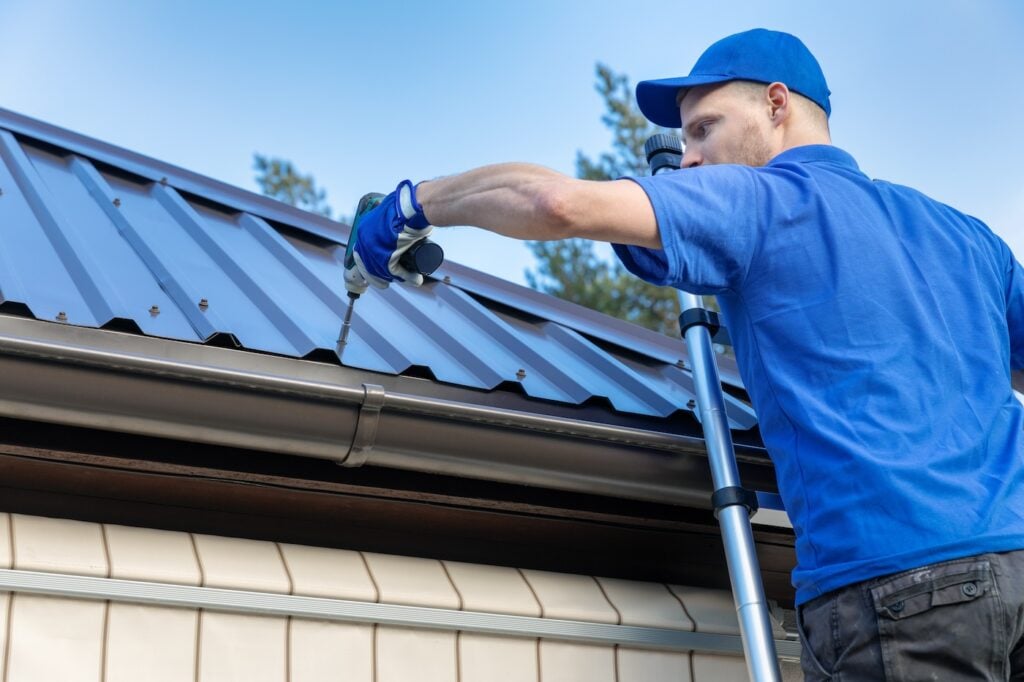
Metal roofing has become a popular choice for homeowners due to its long life span and resilience against harsh weather. Installing metal directly over shingles is possible in many cases, provided the existing roof is in fair condition. This method reduces waste and speeds up installation, making it more affordable than a full tear-off.
However, not every roof is a candidate. If shingles are badly curled, rotted, or if there are multiple layers, a full tear-off may be required. A professional inspection helps determine if your roof is suitable for this process.
✅ Benefits of Installing Metal Roofing Over Shingles
Before diving into the installation steps, it’s important to understand why many homeowners choose this route, since the method offers unique financial, environmental, and practical benefits that make it an attractive option.
Key Advantages
- Lower installation costs: Skipping the tear-off reduces labor and disposal fees.
- Environmentally friendly: Fewer shingles end up in landfills.
- Added insulation: Leaving shingles beneath metal adds an extra thermal and sound barrier.
- Improved curb appeal: Metal offers a modern, sleek look with color and style options.
These benefits make it a practical choice for homeowners who want to upgrade efficiently.
📋 7 Steps to Install Metal Roofing Over Shingles
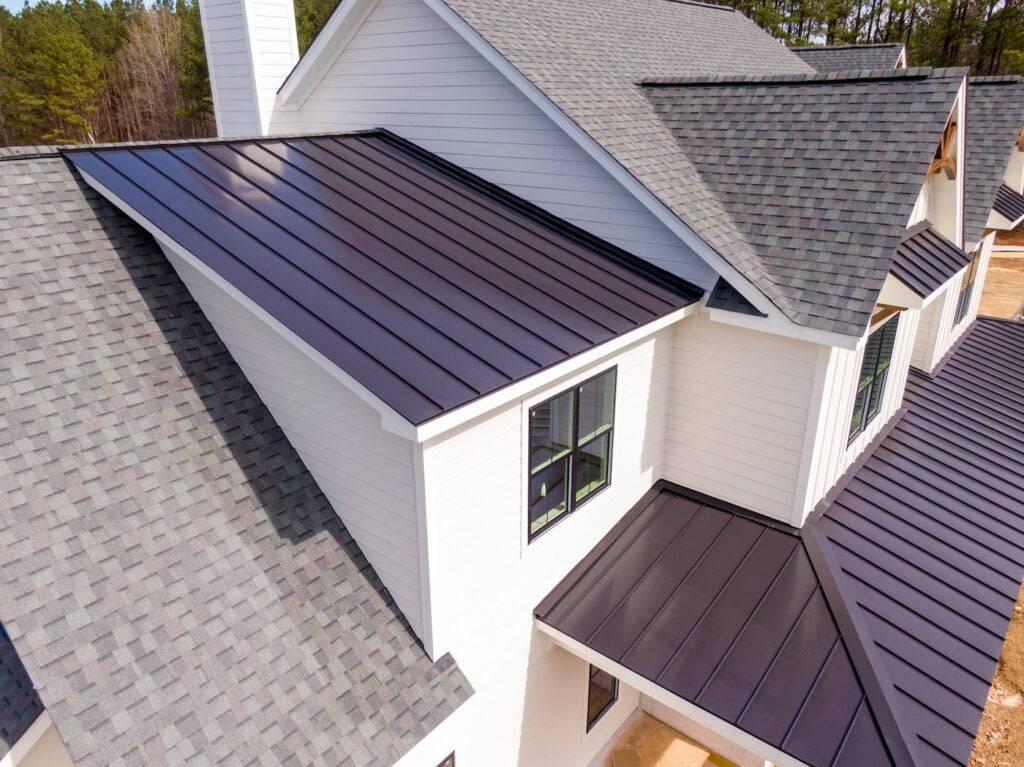
Installing metal over shingles requires precision and careful preparation. Below are the seven major steps involved in the process.
- Inspect the existing roof: A thorough inspection identifies any rotting wood, soft decking, or major shingle issues. If serious problems exist, repairs or a tear-off may be necessary before installation.
- Prepare the surface: Contractors flatten curled shingles, remove loose materials, and secure protruding nails. This creates a smoother base for the new metal panels.
- Install purlins or furring strips: Wooden or metal strips are fastened over the shingles. These create a level surface for attaching panels and improve ventilation between the layers.
- Add underlayment: A moisture barrier or synthetic underlayment is installed over the strips to protect against condensation and leaks.
- Measure and cut panels: Metal panels are cut to the exact dimensions of your roof to ensure full coverage. Precision at this step prevents gaps and reduces waste.
- Install metal panels: Starting at the bottom edge, panels are fastened into place with screws, overlapping properly to shed water. Special care is taken around ridges, valleys, and edges.
- Finish with trim and flashing: Ridge caps, edge trim, and flashing are installed to seal vulnerable areas and provide a polished, finished look.
Following these steps ensures your new roof is watertight, long-lasting, and aesthetically pleasing.
❌ Common Mistakes to Avoid
Installing metal over shingles isn’t as simple as laying down panels. Avoiding mistakes ensures your roof performs as expected.
Frequent Issues
- Skipping inspection: Covering up hidden rot or leaks can cause bigger problems later.
- Incorrect fastening: Using the wrong screws or placing them improperly can lead to leaks.
- Poor ventilation: Without purlins or venting, moisture may build up and damage the roof structure.
- Inadequate flashing: Improperly sealed edges or chimneys are common sources of leaks.
Working with a professional roofing team prevents these costly errors.
💰Cost of Installing Metal Roofing Over Shingles
Costs vary depending on materials, labor, and the overall complexity of your roof, but having a clear idea of what to expect in advance helps you plan your project with confidence.
Average Cost Breakdown
- Materials: $4–$12 per square foot, depending on metal type (steel, aluminum, copper).
- Labor: $3–$7 per square foot for professional installation.
- Total cost: $8,000–$20,000 for most homes, depending on size and complexity.
Factors Affecting Cost
- Roof size and slope: Steeper or larger roofs require more labor.
- Metal type: Premium metals like copper are significantly more expensive.
- Trim and accessories: Flashing, ridge caps, and fasteners add to the cost.
- Regional labor rates: Prices vary depending on your local market.
Although installing over shingles can save you 20–30% compared to a full tear-off, it’s still a major investment that pays off in durability and energy savings.
⚖️ Pros and Cons of Installing Over Shingles
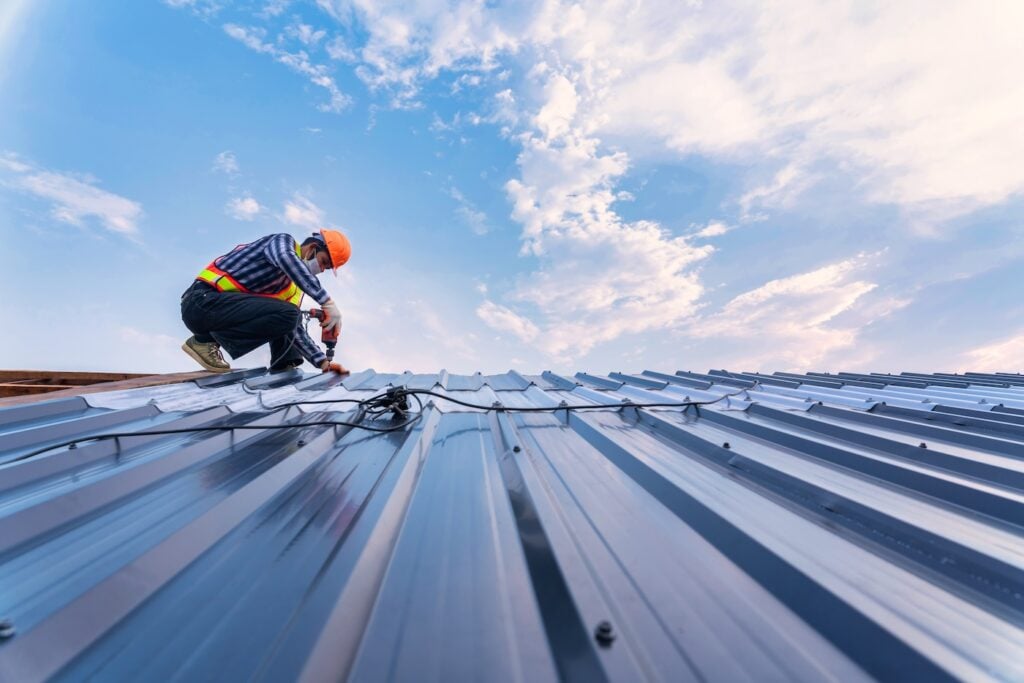
Like any roofing method, this approach comes with a unique set of advantages and drawbacks, and understanding both sides is essential for homeowners who want to make an informed decision.
Pros
- Saves money and time compared to full tear-off.
- Less mess and disposal since shingles don’t need to be removed.
- Added protection with shingles acting as an underlayer.
Cons
- Not always suitable if shingles are damaged or multiple layers exist.
- May add weight to the structure, though most homes can handle it.
- Potential warranty concerns if not installed by certified professionals.
Weighing these factors helps homeowners decide if this method is right for their property.
🛠️ Maintenance After Installation
Metal roofs generally require less routine maintenance than traditional shingles, but they still need consistent care and periodic inspections to ensure their performance.
Maintenance Tips
- Inspect annually: Check for loose fasteners, sealant wear, or damaged flashing.
- Keep it clean: Remove leaves, branches, or debris that may collect on the roof.
- Clear gutters: Prevents water backup and protects the roof’s edge.
- Check after storms: Hail or falling branches can dent panels or loosen screws.
With proper upkeep, your metal roof will serve your home for decades.
💪 Ready to Upgrade to a Metal Roof?
Understanding how to install metal roofing over shingles helps homeowners appreciate the process, but this is not a job to take lightly. Professional installation ensures every panel is secured correctly, flashing is sealed, and your home is protected from leaks and weather damage.
Whitts Roofing has the experience, tools, and skilled team needed to install metal roofing safely and efficiently. We help you choose the right metal style, provide detailed estimates, and complete installation with expert craftsmanship.
If you’re considering upgrading to a metal roof, contact Whitts Roofing today for a free inspection. We’ll help you decide if your home is a good candidate for installation over shingles and give you the durable, stylish roof you’ve been looking for.


