

 478-286-0392
How Long Roof Shingles Last? (7 Factors To Consider)
Written by
Leroy Whitt
If you’ve been wondering how long do roof shingles last, you’re asking one of the most common questions homeowners face. A roof is one of the largest investments in your home, and understanding its lifespan can help you plan for maintenance, repairs, and eventual replacement. While some shingles may last decades, others wear out much faster depending on factors like climate, installation quality, and the level of care they receive. This comprehensive guide breaks down what you need to know to get the most out of your roofing system.
Before diving into the details, here are a few important things to remember:
- Material matters: Different types of shingles have very different lifespans.
- Climate challenges: Weather and environment can accelerate or slow wear.
- Maintenance habits: Proper care extends roof life significantly.
- Professional installation: The quality of the job impacts longevity as much as the product itself.
The Average Lifespan of Roof Shingles
When people ask how long shingles last, they usually want a number. For an asphalt shingle roof, the most common material in the U.S., the average life expectancy is about 15 to 30 years. The basic 3-tab asphalt shingles usually last closer to 15 years, while architectural asphalt shingles and premium laminated options often reach 25 to 30 years under normal conditions. Other materials, like wood shakes, clay tiles, or slate shingles, can last 40 years or more with proper care. A metal roof often surpasses 40 years with minimal upkeep, making it a strong alternative for long-term value.
It’s important to understand that a roof warranty may advertise a longer lifespan than what’s typical in real-world settings. Roofs face unique conditions like storms, debris, and installation variables that can shorten their useful life. That’s why regular inspections are essential for spotting issues before they become major problems.
7 Factors That Influence Shingle Longevity
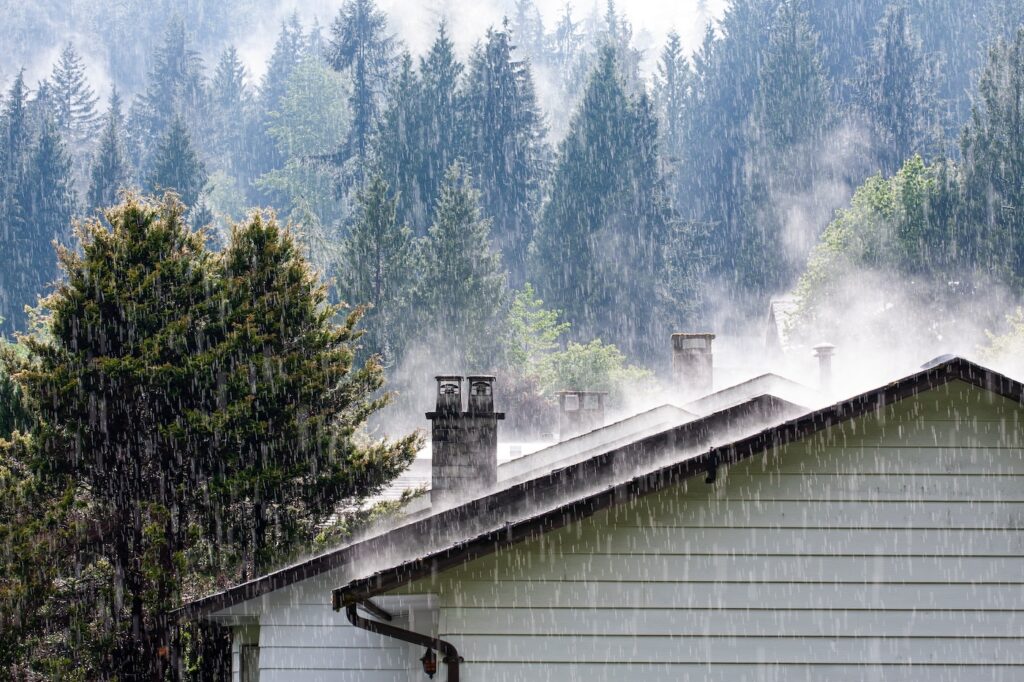
Every roof is different, but these seven elements are the most common factors that determine how long shingles will last before a roof replacement is necessary:
- Shingle material: Asphalt, metal, slate, and wood all have unique durability profiles.
- Local climate: Harsh sun, hail, and freeze-thaw cycles wear shingles quickly.
- Roof slope: Steeper roofs shed water and debris more efficiently.
- Installation quality: A poor installation job dramatically shortens lifespan.
- Ventilation: Without airflow, heat and moisture build up inside your attic.
- Maintenance habits: Cleaning gutters and replacing damaged or loose shingles adds years.
- Storm exposure: Hail, heavy winds, or falling branches speed up deterioration.
Each of these factors interacts with the others. For example, a premium shingle may not reach its full potential lifespan if it was improperly installed or if your attic ventilation is poor. Conversely, even a budget asphalt shingle can last longer if it’s installed correctly and receives regular maintenance.
How Maintenance Extends Roof Life
Even the most durable shingles won’t last forever, but consistent upkeep can delay replacement for many years. Simple steps make a big difference. Cleaning your gutters twice a year prevents water from pooling and seeping under shingles. Trimming tree branches around your home reduces the risk of impact damage from storms. After severe weather, walking your property and visually inspecting your roof for missing or cracked shingles helps you address problems early.
Spotting Early Warning Signs
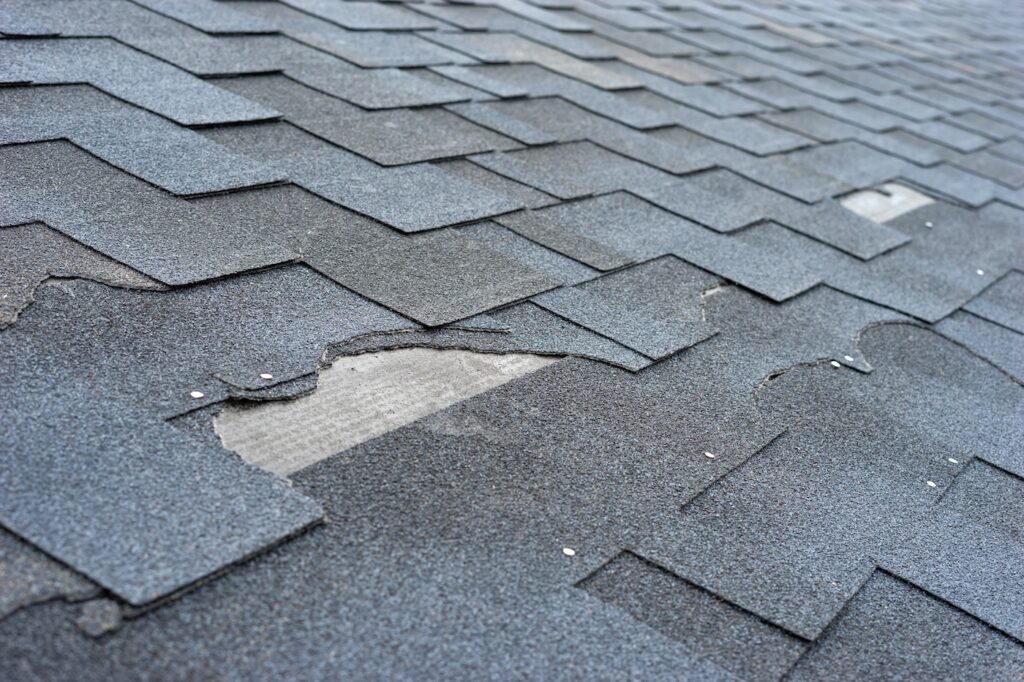
Homeowners can learn to recognize signals that their shingles are aging:
- Curling edges: Indicates the shingle is drying out and losing flexibility.
- Granule loss: Bald spots reduce shingle protection against UV rays.
- Leaks or stains: Water intrusion often points to issues with shingles or the roof deck.
When these warning signs appear, it’s time to call a roofing professional.
Regional Factors Affecting Shingle Lifespan
Where you live plays a major role in determining how long shingles last. In Georgia, for example, humid summers and frequent thunderstorms put additional stress on roofing materials. Constant exposure to moisture can cause shingles to warp or crack more quickly, while intense heat weakens asphalt-based shingles. Homeowners in Columbus and similar regions often face shorter shingle lifespans than those in milder climates. Scheduling annual inspections is one of the best ways to combat this natural wear. We’re proud to serve home and business owners in Columbus, GA, and nearby cities with roof inspections, maintenance, and shingle replacement services.
Cost Considerations Over Time
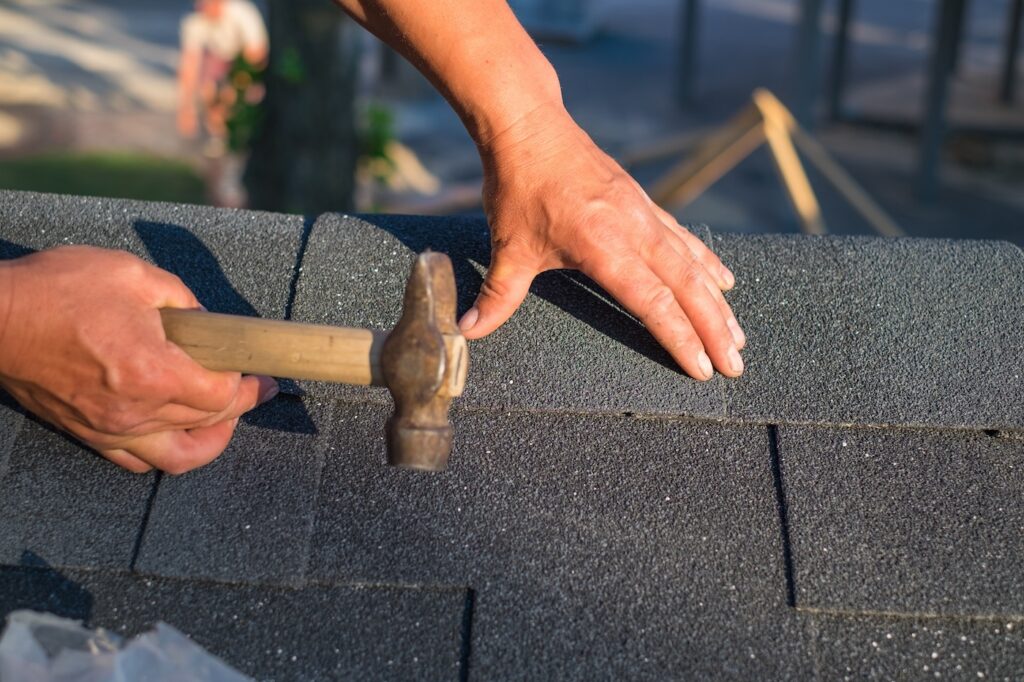
While shingles may last decades, most roofs will require maintenance and repairs along the way. Budgeting for occasional expenses helps you avoid costly surprises. Here are some common examples:
- Minor roof repairs: Replacing a few missing or damaged shingles is far less expensive than major work.
- Early leak fixes: Addressing a leak quickly may only cost a few hundred dollars.
- Ignored damage: Waiting too long can lead to thousands in costs to replace decking or insulation.
- Long-term planning: Factoring repair costs into your budget helps you manage expenses with less stress.
Choosing the Right Shingles for Your Home
Not every homeowner has the same goals when it comes to roofing materials. Asphalt roofs are affordable and versatile, making them the most common choice. Homeowners looking for longevity may consider a metal roof, tile, or slate, which often last much longer but come at higher upfront costs. A roofing contractor can help you weigh factors such as budget, desired appearance, and expected maintenance. Choosing wisely means balancing initial expense with how long you want the roof to last before replacement.
Seasonal Maintenance Checklist
Every season presents unique risks for your roof, and proactive care helps shingles last longer.
Spring
- Inspect for winter damage: Snow, ice, and wind can crack or loosen shingles.
- Clean gutters: Remove debris to ensure proper drainage.
Summer
- Check for heat stress: Look for curling or blistering shingles.
- Trim branches: Reduce risk from falling limbs during storms.
Fall
- Clear leaves and debris: Prevent water buildup on the roof surface.
- Check flashing: Ensure chimney and vent flashing is intact before winter.
Winter
- Inspect attic insulation: Helps prevent ice dams and excess condensation.
- Remove heavy snow buildup: Protects shingles from excess weight and melting water.
By following these seasonal steps, homeowners can extend the lifespan of their shingles and reduce repair costs over time.
Protect Your Roof With Whitt’s Quality Roofing
Understanding how long a =roof lasts helps you plan for the future and avoid costly surprises. By keeping up with proper maintenance, investing in professional installation, and choosing materials wisely, you can maximize the life of your roof. Whitt’s Quality Roofing is here to guide homeowners every step of the way, from inspections and minor roof repairs to full roof replacement. Contact us today for a free roof inspection and let our experienced team keep your home protected for years to come.


