

 478-286-0392
Does Homeowners Insurance Cover Roof Leaks? (What to Expect)
Written by
Leroy Whitt
When water suddenly begins dripping from the ceiling or staining interior walls, one of the first questions homeowners ask is whether their policy will help. Understanding does homeowners insurance cover roof leaks can be confusing because coverage depends on the cause, the condition of the roof, and the terms of your plan. Homeowners in Perry, GA often deal with unpredictable storms and humidity, making it important to know what’s typically covered and what may fall on the homeowner.
- Policy basics: Learn what most plans include.
- Leak causes: Understand how adjusters evaluate damage.
- Documentation tips: Strengthen your claim.
- Repair expectations: See what you may pay for.
- Local considerations: Understand Georgia-specific factors.
Let’s break down how insurers approach roof leak claims and what you can expect.
How Insurance Companies Evaluate Roof Leaks
Insurance providers start by determining what caused the leak. Most policies cover sudden and accidental events but exclude leaks tied to long-term wear or neglect. In Perry, sudden storm-related leaks are more likely to qualify. Adjusters inspect the interior damage and roof surface to identify impact marks, lifted shingles, or debris. If the roof shows signs of prior deterioration, coverage may be limited.
What Insurers Consider During the Inspection
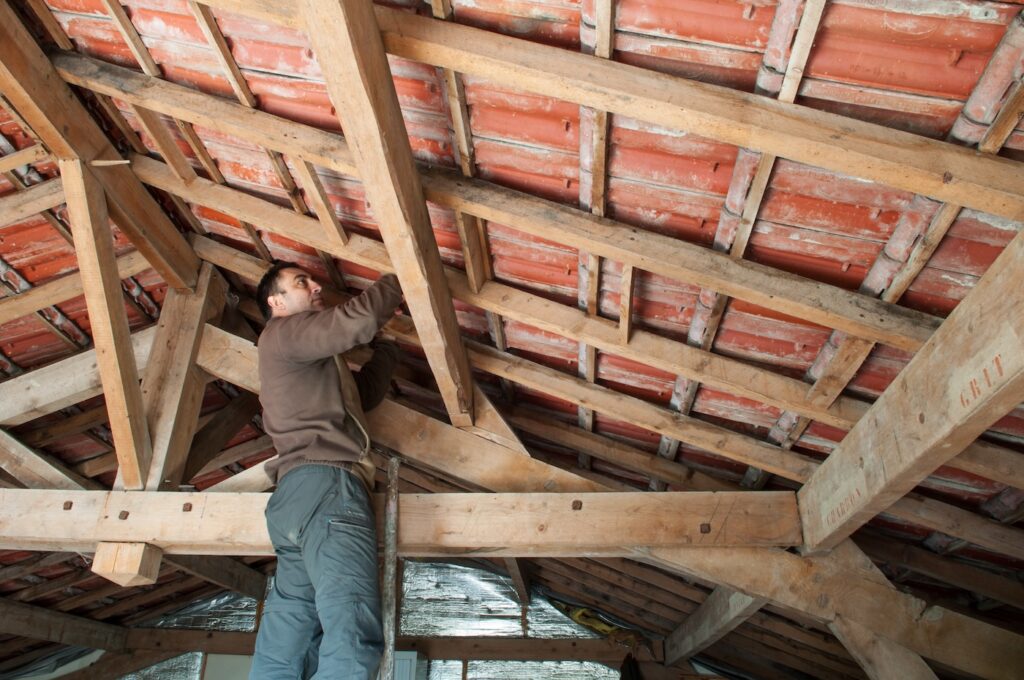
Inspections are detailed and often include reviewing photos, climbing the roof, and checking for wind or hail marks. Adjusters look for loose shingles, cracked flashing, and damage around vents or chimneys. They also note whether previous roof repairs were completed correctly, as poor workmanship can affect coverage.
How Prior Roof Condition Affects Coverage
If the roof was already weakened by age or poor upkeep, insurers often cover only interior damage. Severe granule loss, cracking, or curling can also result in reduced coverage. Roofs older than twenty years may be subject to limited reimbursement, since many insurers depreciate payouts based on roof age and condition.
Common Causes of Roof Leaks: What’s Covered and What’s Not
Not every leak qualifies for reimbursement. Policies generally separate sudden events from gradual issues caused by age or neglect. Understanding this difference helps homeowners decide when to call their insurer versus when to plan an independent repair.
Covered Causes in Most Policies
- Storm damage: Rain, wind, or fallen branches.
- Hail impact: Cracks or bruised shingles.
- Fire-related leaks: Damage from suppression efforts.
- Accidental damage: Unexpected impact or breakage.
These situations fall under “sudden and accidental” coverage, meaning the event was beyond the homeowner’s control and caused immediate harm to the roof.
Situations That Typically Aren’t Covered
- Old roofs: Materials past their lifespan.
- Neglected maintenance: Clogged gutters or ignored repairs.
- Wear and tear: Slow deterioration.
- Improper installation: Issues caused by poor workmanship.
Leaks caused by gradual deterioration or skipped maintenance are considered preventable and are not typically covered.
6 Key Claim Steps Every Homeowner Should Follow
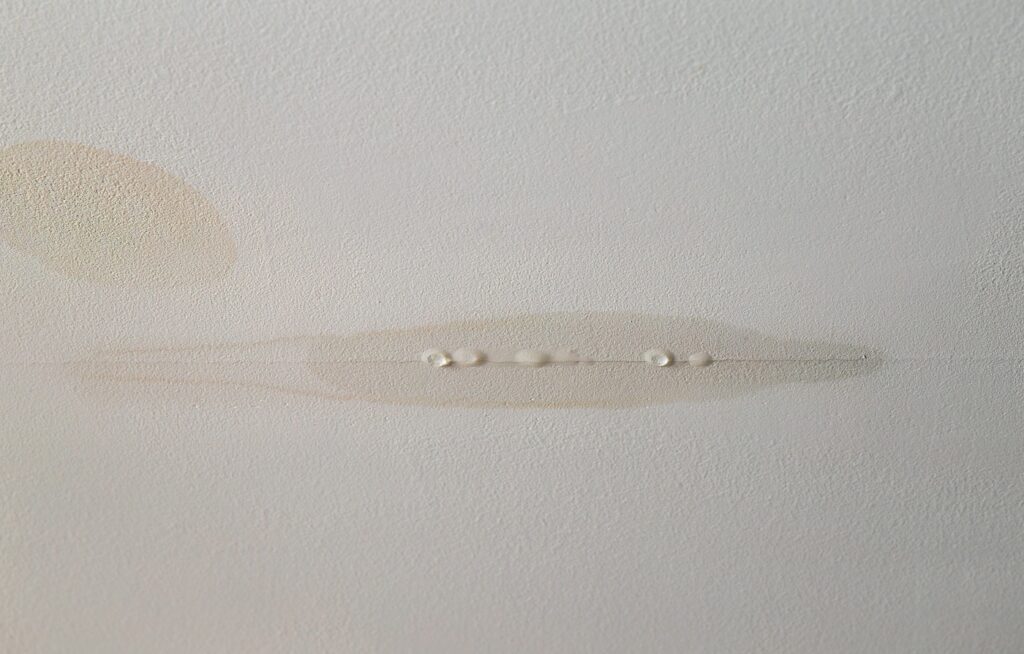
A well-documented claim helps prove the leak was sudden, not due to long-term wear. Being proactive also demonstrates responsible ownership, which can positively influence claim outcomes.
- Document visible damage: Photograph interior and exterior signs.
- Record the timing: Note weather events or sudden changes.
- Prevent additional damage: Temporarily cover the area.
- Keep receipts: Save cleanup or repair invoices.
- Review your policy: Understand deductibles and limits.
- Schedule an inspection: With your insurer or roofer.
Homeowners who act quickly and provide clear evidence tend to receive faster claim responses and smoother approvals.
Georgia Weather and Its Impact on Leaks
Perry’s heat, humidity, and fast-moving storms create conditions where leaks are more common. Wind-driven rain can enter beneath loose shingles, and temperature swings cause roof shingles to expand and contract daily. This movement loosens nails, weakens sealant, and allows water to penetrate vulnerable spots.
Seasonal changes also play a major role. In summer, UV rays break down shingles faster, while in winter, cold temperatures make them brittle. When combined with heavy rainfall, these factors can lead to small gaps that evolve into significant leaks. Homeowners in central Georgia should inspect their roofs at least twice a year—after spring storms and before hurricane season—to catch issues early.
We’re proud to serve home and business owners in Perry, GA, and nearby cities with leak inspections, repair evaluations, and more.
What Insurance Usually Pays For
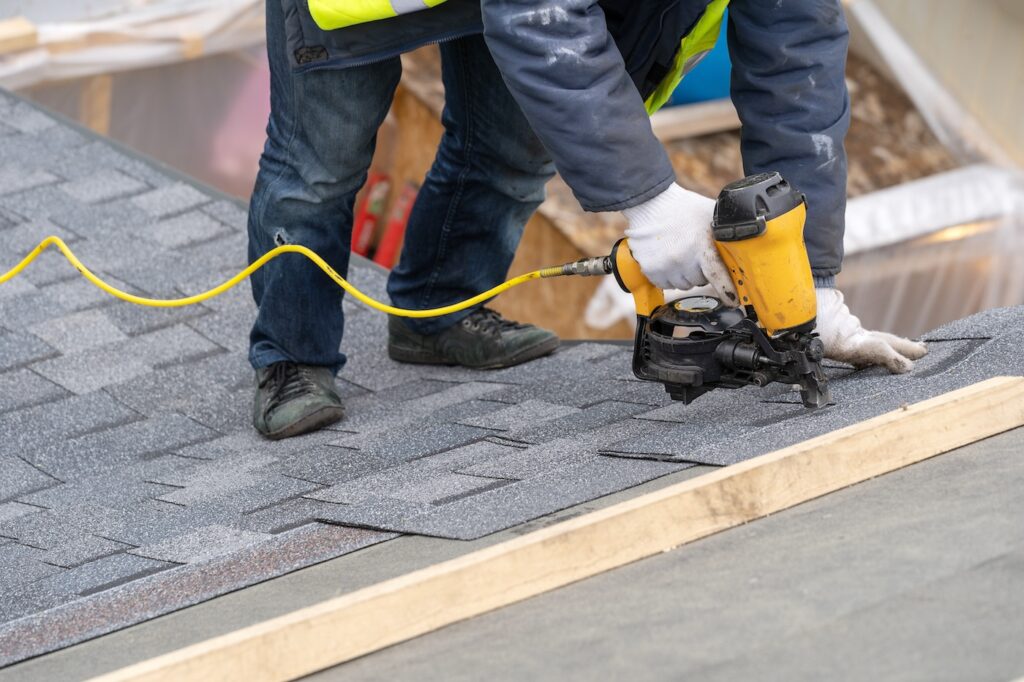
Coverage varies, but most policies reimburse specific repairs tied to qualifying events. Understanding what’s included can help you plan your next steps and budget appropriately.
Structural Damage Inside the Home
Water-damaged ceilings, walls, insulation, and flooring are often included. Insurers typically cover the costs of restoring these areas to their previous condition, minus your deductible.
Roof Surface Repairs
If the leak was caused by a covered event, insurers may pay to replace shingles, patch openings, or repair flashing. However, they generally only fund repairs necessary to restore structural integrity—not cosmetic improvements.
Partial vs Full Roof Coverage
Only severe or widespread damage merits full replacement. Localized leaks typically result in section-by-section coverage. Homeowners should always confirm whether their policy offers actual cash value or replacement cost coverage, as this impacts how much the insurer reimburses.
How to Strengthen Your Claim Before Filing

Preparation and documentation can make or break a claim. Taking a few simple steps ahead of time ensures you’re ready if a leak occurs.
- Keep repair history: Save inspection reports and invoices.
- Act quickly: Filing promptly shows the event was sudden.
- Clarify with your insurer: Confirm limitations or exclusions.
- Get a roofer’s assessment: Professional support strengthens documentation.
- Stop further damage: Address the leak immediately.
- Know your roof’s age: Older roofs often qualify for reduced coverage.
These small efforts prove diligence and help ensure a smoother claims experience.
Trust Whitt’s Quality Roofing for Leak Support
Understanding does homeowners insurance cover roof leaks helps you prepare for unexpected issues and respond quickly when a leak appears. Whitt’s Quality Roofing provides thorough leak inspections, clear explanations, and dependable repair solutions tailored to your home’s needs.
Our experienced team understands how Perry’s weather affects roofing systems and knows how to locate and repair leaks efficiently. Whether you need help identifying the source of water intrusion, patching problem areas, or planning a long-term roofing solution, we’re here to help. Schedule your free roof inspection with Whitt’s Quality Roofing today to get fast, reliable assistance that protects your home for years to come.


