

 478-286-0392
6 Proven Ways to Stop Curling Shingles Fast
Written by
Leroy Whitt
Curling shingles are one of the most common roofing concerns homeowners face, especially in warm and humid areas like Macon, GA. When roof shingles begin lifting or warping, they create vulnerable points that allow moisture to enter and weaken the roof structure. Addressing the issue quickly helps prevent bigger roof repairs and keeps your home protected. In this guide, you will learn why curling happens and what you can do to stop it fast.
- Damage indicators: Understand the early signs of trouble.
- Repair methods: Explore effective ways to stabilize and fix roof shingles.
- Climate impact: Learn how Georgia’s weather affects shingle performance.
- Prevention tips: Build habits that keep your shingles lying flat.
- Professional insight: Know when it is time to get expert help.
Let’s look at the most effective ways to correct curling and maintain a strong, reliable roofing system.
Why Shingle Curling Happens
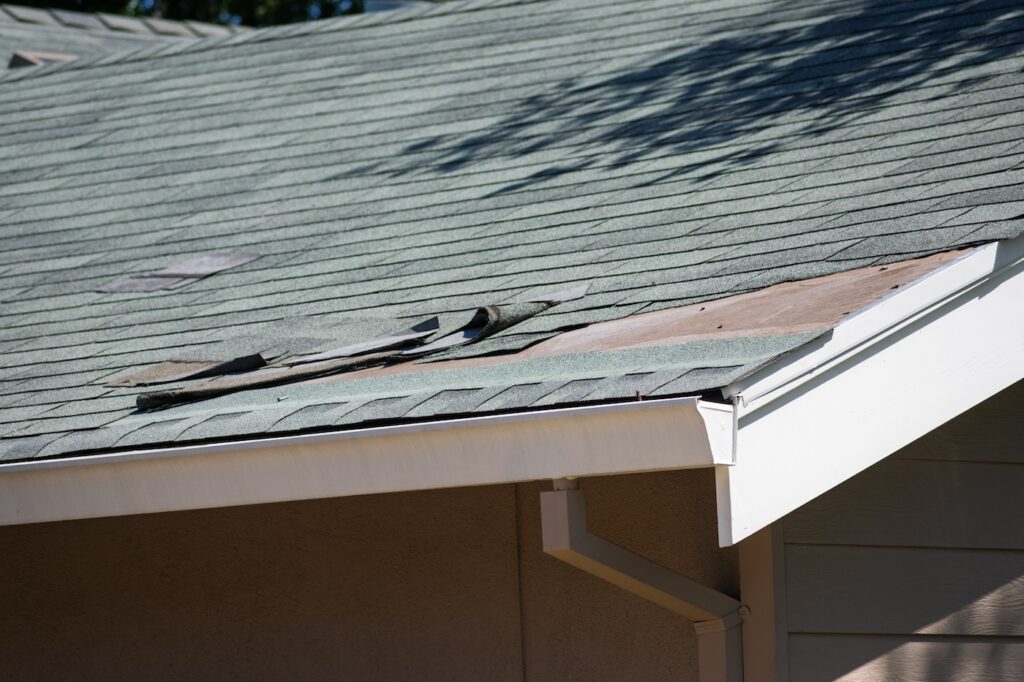
Curling shingles develop when the roof surface can no longer keep materials flat and secured. This often appears slowly at first but becomes more obvious as roof shingles start lifting around the edges or arching upward. Homes in Macon experience this frequently because the region’s temperature changes and humidity place strain on the roofing system. When curling begins, it exposes the underlayment to moisture and raises the risk of leaks.
Poor Attic Ventilation
When heat and moisture build up in the attic, the roof deck becomes overly warm and causes shingles to warp. Roof shingles exposed to this environment repeatedly absorb heat, which leads to curling. Homes in Georgia benefit significantly from proper airflow because it relieves heat pressure and protects the adhesive layer beneath the shingles. Improving ventilation can slow further curling and help stabilize the roof.
Aging Roofing Materials
As roof shingles get older, they lose granules and become more vulnerable to sunlight and rain. Curling becomes more common once shingles reach the later stages of their lifespan. Many Macon homeowners notice this earlier due to prolonged exposure to direct sunlight and seasonal humidity. When shingles dry out or become brittle, curling appears in more than one area and may signal the need for larger roof repairs.
Improper Installation
Shingles that were not installed with the correct technique may begin curling sooner than expected. Incorrect placement of roofing nails, poor sealing, or misalignment during installation causes edges to lift. This type of curling often becomes visible early in the life of the roof. When shingles do not lay flat from the beginning, they are more likely to warp when exposed to wind, heat, and moisture.
6 Fast Ways to Stop Curling Shingles
Stopping curling shingles quickly requires a combination of targeted fixes and preventative steps. These proven methods help stabilize affected areas and prevent water from reaching the roof deck.
- Sealant application: Applying roofing sealant helps secure lifted shingles and prevent additional moisture from entering.
- Shingle replacement: Swapping out severely curled roof shingles restores proper coverage and protection.
- Ventilation upgrades: Improving attic airflow reduces heat buildup and slows future curling.
- Nail reinforcement: Adding properly placed roofing nails helps secure loose shingles and prevent further lifting.
- Flashing repairs: Fixing damaged flashing stops moisture from reaching sensitive areas around joints and edges.
- Roof cleaning: Clearing debris helps prevent water from pooling and reduces stress on shingles during wet seasons.

These steps correct immediate issues and help reduce the conditions that cause curling in the first place.
Repair vs Replacement: What Homeowners Should Consider
When shingles begin curling, the first question many homeowners ask is whether to repair or replace. Small areas of curling can often be addressed with sealant, new roofing nails, or limited shingle replacement. This is effective when most of the roof is still in good condition and the curling has not spread.
Widespread curling usually indicates aging materials or deeper issues that repairs cannot fully resolve. Older roofs with brittle shingles may continue curling even after repairs, especially in climates like Georgia where heat is persistent. In those cases, investing in a new roof may provide better long-term protection and reduce the need for ongoing roof repairs. Replacement is also a smart choice when curling shingles appear alongside signs of moisture damage.
Preventative Strategies to Protect Your Shingles
Preventing curling begins with consistent roof care and small habits that keep shingles stable. These strategies help maintain airflow, reduce moisture exposure, and protect the surface from unnecessary stress.
- Gutter cleaning: Clean gutters help prevent water from sitting near the roofline and affecting roof shingles.
- Tree trimming: Keeping branches away from the roof reduces shade and moisture retention that lead to curling.
- Roof inspections: Regular inspections help identify early curling and uncover hidden issues before they worsen.
- Attic improvements: Adequate insulation and proper ventilation help stabilize temperature and reduce moisture buildup.
- Debris removal: Removing leaves and branches prevents moisture spots that encourage curling and deterioration.
These habits keep the roof’s structure healthier and extend the life of the shingles.
How Georgia Weather Affects Shingle Curling
Georgia’s warm summers and seasonal storms play a major role in the development of curling shingles. In Macon, long periods of direct sunlight heat up the surface of the roof and dry out the materials. This expansion during the day followed by contraction at night creates stress that weakens the shingles. High humidity adds moisture to the surface, making shingles lose flexibility and lift more easily.
Storms can also worsen curling by pushing water into tiny gaps or lifting weakened shingles even further. If curling is left untreated before storm season, leaks may form quickly and lead to unexpected roof repairs. Regular inspections help catch early signs of damage before weather conditions make the problem worse. We’re proud to serve home and business owners in Macon, GA, and nearby cities with curling shingle repairs, roof inspections, and more.
Restore Your Roof with Whitt’s Quality Roofing
Curling shingles may start small, but they can quickly lead to costly roof repairs if ignored. Addressing early problems helps stop further damage and protects your home from leaks and structural wear. Whitt’s Quality Roofing provides expert repair solutions, guidance on whether you need spot fixes or a new roof, and professional support tailored to Georgia’s climate.
Our team understands how local weather affects roof shingles and the best ways to fix curling and strengthen your roofing system. If you need help correcting curling shingles or want an expert evaluation, schedule your free roof inspection with Whitt’s Quality Roofing today.