

 478-286-0392
What Is Attic Rain & How To Get Rid Of It?
Written by
Leroy Whitt
If you’ve ever noticed dripping, frost, or moisture stains in your attic during winter, you might be dealing with attic rain, a hidden issue that can quietly cause major damage to your home. This phenomenon often goes undetected until insulation is soaked, wood begins to rot, or ceiling stains appear.
- Threatens your roof structure: Attic rain causes long-term moisture damage to wood framing and insulation.
- Leads to mold growth: Unchecked condensation creates a perfect environment for mold to thrive.
- Can mimic roof leaks: Attic rain symptoms are often confused with active roof damage.
In this guide, we’ll explain what attic rain is, what causes it, and how to get rid of it before it compromises your roof and attic systems.
💧 What Exactly Is Attic Rain?
Attic rain is a winter-specific problem caused by moisture condensation and freezing in your attic space. When warm, humid air from inside your home rises into the attic and meets the cold underside of the roof deck, it freezes. As temperatures warm up (even slightly), the frost melts, causing it to “rain” inside your attic.
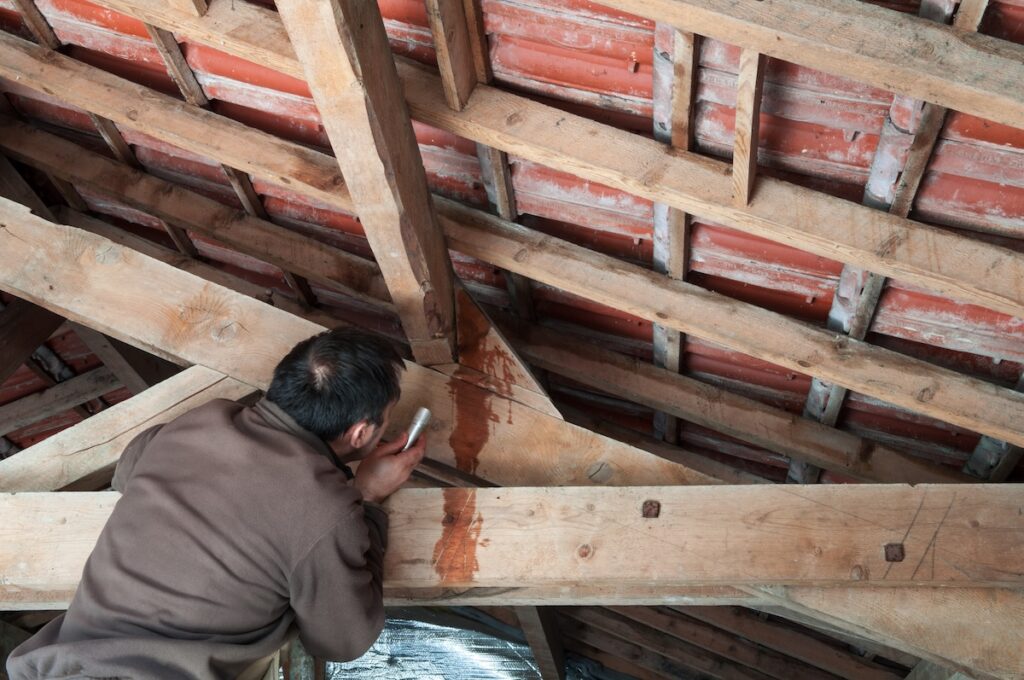
What It Looks Like
- Wet insulation: Moisture often saturates attic insulation, reducing its effectiveness.
- Dripping from rafters: Melted frost may drip from nails or beams onto ceilings or walls.
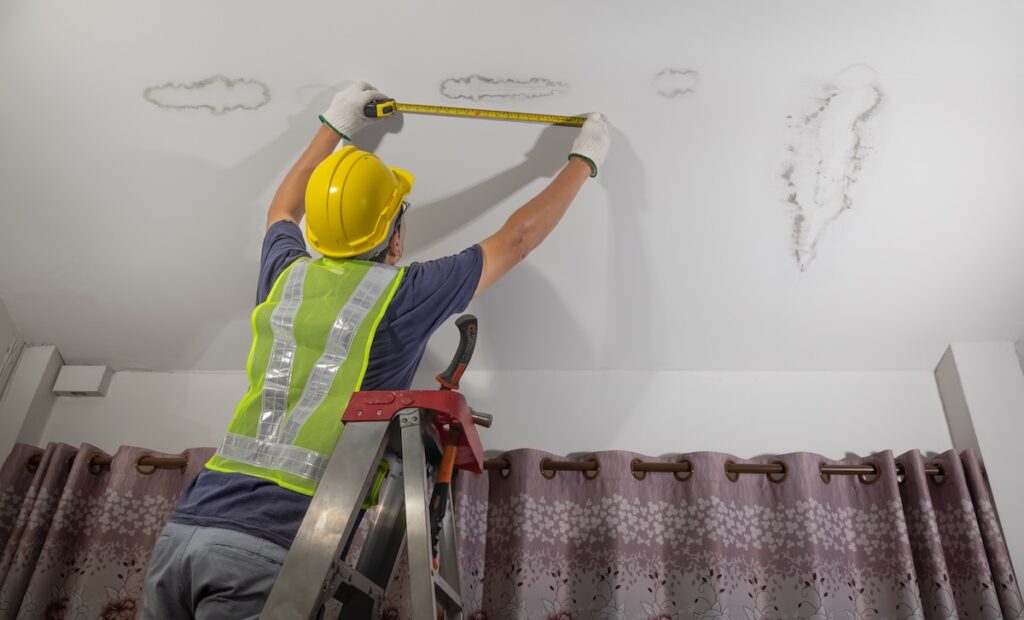
- Ceiling stains: Yellowish stains on upper-level ceilings may result from melting attic frost.
- Mold or mildew: Persistent moisture encourages biological growth in the attic or on ceilings.
🤔 What Causes Attic Rain?
Attic rain typically results from a combination of warm interior air, poor attic ventilation, and insufficient air sealing. The bigger the difference between attic and outdoor temperatures, the higher the risk.
Contributing Factors
- Lack of air sealing: Gaps around light fixtures, vents, or attic hatches allow warm, moist air to rise.
- Inadequate insulation: Thin or poorly installed insulation allows warm air to escape into the attic space.
- Poor attic ventilation: Without enough airflow, cold air can’t enter and warm air can’t escape, allowing condensation to build.
- High indoor humidity: Humidifiers, cooking, and showers increase indoor moisture that rises upward.
Homes in colder climates or with improperly insulated attics are especially susceptible to attic rain issues.
🏠 How Attic Rain Differs From a Roof Leak
Many homeowners confuse attic rain with an actual roof leak, especially when water starts staining ceilings or walls. While they may look similar, the root causes are completely different.
Signs It’s Attic Rain, Not a Roof Leak
- Only happens during freeze-thaw cycles: Roof leaks tend to occur during or after rainstorms, not cold snaps.
- Drips from nails or trusses: Moisture from attic rain often forms around cold metal fasteners, not near valleys or flashings.
- Ceiling stains with no damaged shingles above: If your roof is intact but stains appear, attic rain is likely the cause.
That said, it’s still important to have a roofing professional assess your attic and roof to rule out shingle damage, missing shingles, or other problems.
📋 How To Get Rid Of Attic Rain
Solving attic rain involves stopping warm, humid air from reaching the cold roof deck. This means improving insulation, sealing air leaks, and enhancing ventilation.
1. Seal Air Leaks
- Target areas: Focus on attic hatches, plumbing vents, light fixtures, and gaps around ductwork.
- Best materials: Use spray foam, caulk, and weatherstripping to stop air leakage.
- Professional air sealing: Consider a blower door test to find hidden leaks throughout the attic floor.
Air sealing reduces the amount of warm air entering the attic, cutting down the condensation that causes attic rain.
2. Improve Attic Insulation
- Why it matters: Better insulation helps retain heat inside your home rather than letting it escape into the attic.
- Insulation types: Fiberglass batts, cellulose, or spray foam can all be effective depending on your attic layout.
- Depth matters: Most homes benefit from 12–15 inches of insulation, or an R-value of R-49 or higher in cold climates.
Proper insulation not only prevents attic rain but also reduces heating costs and makes your home more energy-efficient.
3. Upgrade Ventilation
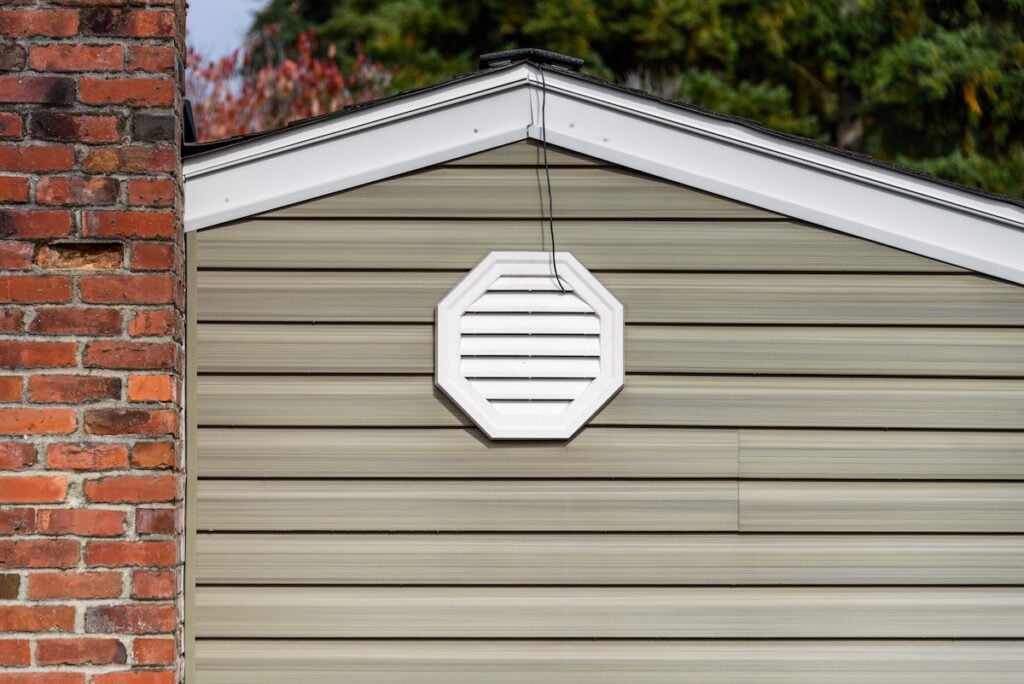
- Balanced airflow: Combine soffit vents (intake) with ridge or roof vents (exhaust) to create consistent air movement.
- Check for blockages: Make sure insulation isn’t covering soffit vents. Use baffles to maintain airflow.
- Powered options: In some cases, powered attic fans can help move air when natural ventilation isn’t enough.
Good ventilation allows the attic to maintain a temperature closer to the outdoor air, preventing frost buildup on the underside of the roof.
4. Manage Indoor Humidity
- Keep humidity below 40% in winter to reduce excess moisture that can travel into the attic.
- Use bathroom and kitchen fans: Always run ventilation fans when showering or cooking.
- Install a whole-home dehumidifier if your HVAC system doesn’t regulate moisture effectively.
Controlling indoor humidity is essential to solving attic rain long term.
👉 Should You Replace Your Roof If You Have Attic Rain?
In most cases, attic rain doesn’t require full roof replacement—unless it has gone unnoticed for years and caused rot or structural damage. However, it’s smart to have a professional roofer inspect both your exterior shingles and attic framing.
Roof Issues Caused by Attic Rain
- Rotting roof deck: Persistent moisture can weaken plywood or OSB decking.
- Rusty fasteners: Water dripping from nails and screws can lead to structural corrosion.
- Compromised warranties: Ignoring attic moisture may void your limited lifetime warranty if it affects the roofing system.
A professional can evaluate whether ventilation or other upgrades are needed to protect your roofing material and home.
✅ Preventing Future Attic Rain
Once you’ve addressed attic rain, prevention becomes a matter of regular maintenance and seasonal attention.
Seasonal Roof Inspections
- Check attic after snowfalls or cold snaps: Look for frost buildup, wet insulation, or mold.
- Inspect exterior roof: Make sure there are no damaged or missing shingles that could worsen moisture problems.
Add a Vapor Barrier
- Install below attic insulation: A polyethylene vapor barrier blocks warm interior air from rising into the attic.
- Work with a pro: Improper installation can trap moisture and make things worse, so professional help is recommended.
Keep Your Roof System Modern
- Use reflective or cool roof products: These can reduce heat loss and the potential for melting frost cycles.
- Choose roofing materials with built-in attic ventilation support, like ridge vent-ready designs or vented soffit systems.
Working with a roofing contractor ensures your whole system—from attic to shingles—functions as one unit.
❗️ Stop Attic Rain Before It Soaks Your Roof
Attic rain is one of those silent problems that can do real damage if ignored. By understanding how it forms and taking steps to improve ventilation, air sealing, and insulation, you can protect your roof, your attic, and your entire home.
At Whitt’s Quality Roofing, we know that a strong roofing system includes everything above your ceiling, not just what you can see from the curb. If you’re seeing signs of attic rain or want a professional attic and roof inspection, contact us today. We’ll help you identify the issue and recommend a long-term fix to keep your home warm, dry, and protected.


