

 478-286-0392
7 Modern Roofing Types To Consider For Your Home
Written by
Leroy Whitt
Choosing the right modern roofing system can enhance your home’s style, boost energy efficiency, and add long-term durability. With so many sleek, innovative materials available today, homeowners have more options than ever to create a roof that performs well and looks great.
- Boosts property value: Modern roofing systems offer a fresh aesthetic that appeals to buyers.
- Improves energy efficiency: Advanced materials help reflect heat and reduce utility bills.
- Offers long-term durability: Many modern options outperform traditional shingles in lifespan and strength.
In this guide, we’ll explore seven of the top modern roofing types, including their benefits, appearance, and what to consider before making a decision.
💵 Why Modern Roofing Is Worth the Investment
Traditional asphalt shingles are still popular, but modern roofing materials offer impressive upgrades in performance and appearance. They often require less maintenance, resist extreme weather better, and add a distinct architectural style to your home.
Advantages Over Traditional Roofing
- Improved durability: Many modern roofs last 30–50 years or longer, far exceeding asphalt’s typical 20-year life.
- Design flexibility: A wider variety of textures, colors, and styles allows you to match your home’s aesthetic.
- Sustainable options: Some modern materials are recyclable or made from eco-friendly sources.
- Advanced weather protection: Innovations like interlocking panels and impact resistance make modern roofs tougher in storms.
🔑 Key Considerations Before You Choose
Before settling on a new roof type, take a few key factors into account. These will help you choose a roofing system that fits your climate, budget, and long-term goals.
Budget and Longevity
- Upfront vs. long-term cost: Some modern roofs have a higher initial cost but last 2–3 times longer than asphalt shingles.
- Maintenance savings: Many newer materials require minimal upkeep over the years.
Curb Appeal
- Visual impact: The look of your roof can dramatically change your home’s curb appeal.
- Neighborhood compatibility: Choose a style that fits in with nearby homes while still reflecting your taste.
Climate Suitability
- Heat resistance: Some materials reflect sunlight, reducing attic temperatures.
- Wind and hail durability: Modern options are built to handle harsh conditions without breaking down.
✅ 7 Modern Roofing Types To Consider
From energy-saving metal roofs to sleek synthetic options, here are seven cutting-edge choices that work well for today’s homes:
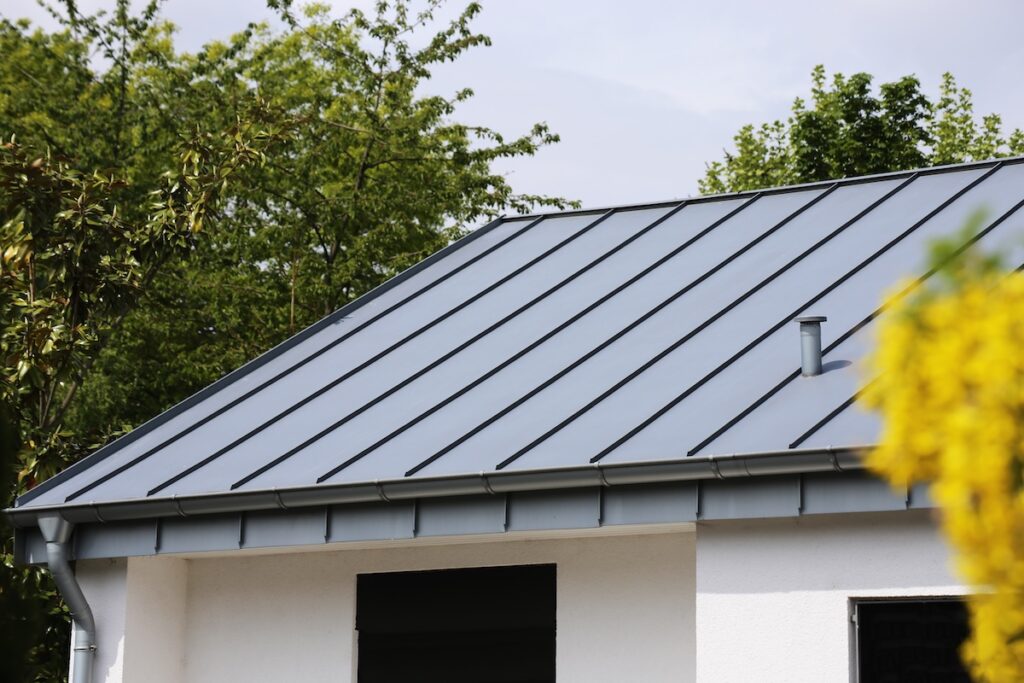
- Standing Seam Metal Roofing: This sleek, durable option features vertical seams that interlock, offering excellent weather resistance and a clean, modern aesthetic.
- Synthetic Slate Roofing: Made from engineered polymers, synthetic slate mimics the look of natural slate without the weight or fragility. It’s lightweight, long-lasting, and visually impressive.
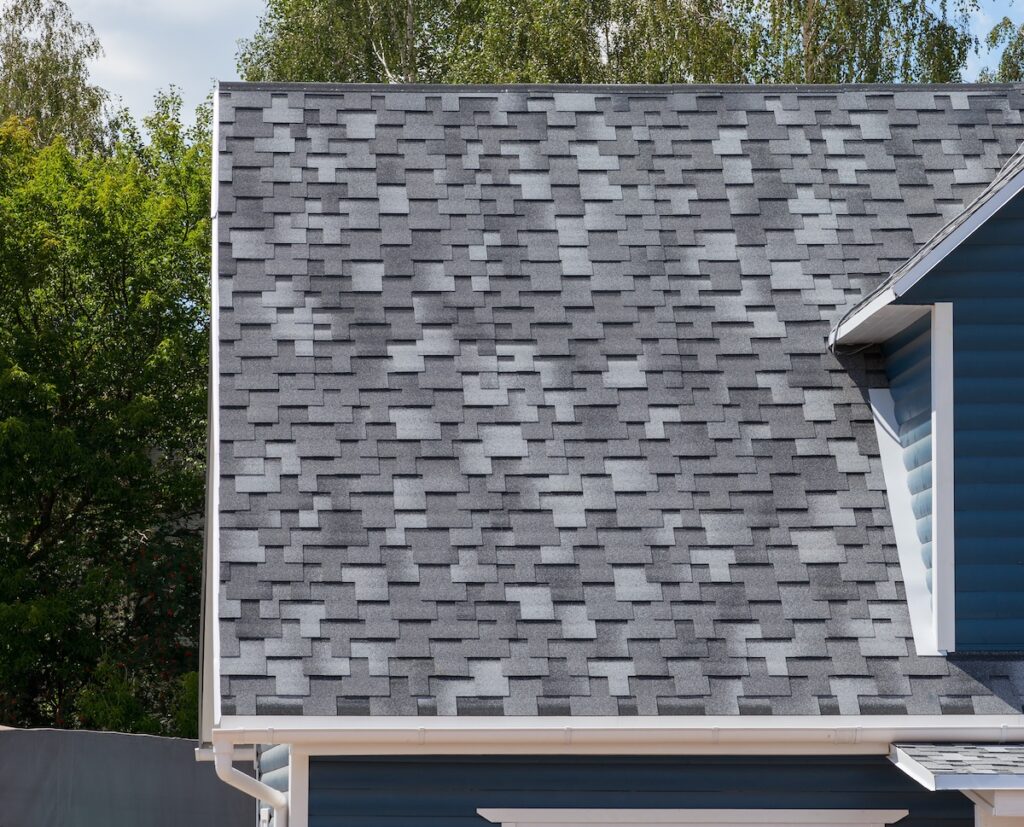
- Architectural Asphalt Shingles: A step up from 3-tab shingles, these dimensional shingles offer better durability and a layered appearance that mimics wood or slate.
- Clay or Concrete Tiles: Popular in modern Mediterranean and Southwestern designs, these tiles are long-lasting, fire-resistant, and available in a variety of earth tones.
- Solar Roofing Shingles: These cutting-edge systems double as solar panels and roofing material, blending renewable energy with sleek design.
- Metal Shingles: For homeowners who love the look of shingles but want the strength of metal, these products offer a best-of-both-worlds solution with added impact resistance.
- Cool Roofing Membranes: Typically used on low-slope homes, cool roofs reflect sunlight and dramatically reduce heat absorption—ideal for warm climates.
🛠️ Maintenance Tips for Modern Roofs
Modern materials are often low-maintenance, but that doesn’t mean you can ignore them. Keeping your roof in great shape helps extend its lifespan and protects your investment.
Keep Debris Off
- Routine cleaning: Remove leaves, branches, and moss to avoid drainage issues or material staining.
- Trim trees: Prevent limbs from damaging your roof during storms or blocking sunlight.
Check for Damage After Storms
- Inspections: Look for loose panels, cracked tiles, or lifted shingles after heavy wind or hail.
- Document problems: Take photos and contact a roofing contractor quickly to avoid further damage.
Prevent Moisture Buildup
- Gutter care: Keep gutters clear so rainwater flows freely off your roof.
- Attic ventilation: Ensure your home’s ventilation system is functioning properly to avoid condensation.
🤔 Should You Replace or Upgrade?
Not every roofing project requires a full replacement. Sometimes, upgrading a section or switching to a more durable material during repairs makes sense.
When a Full Replacement Is Smart
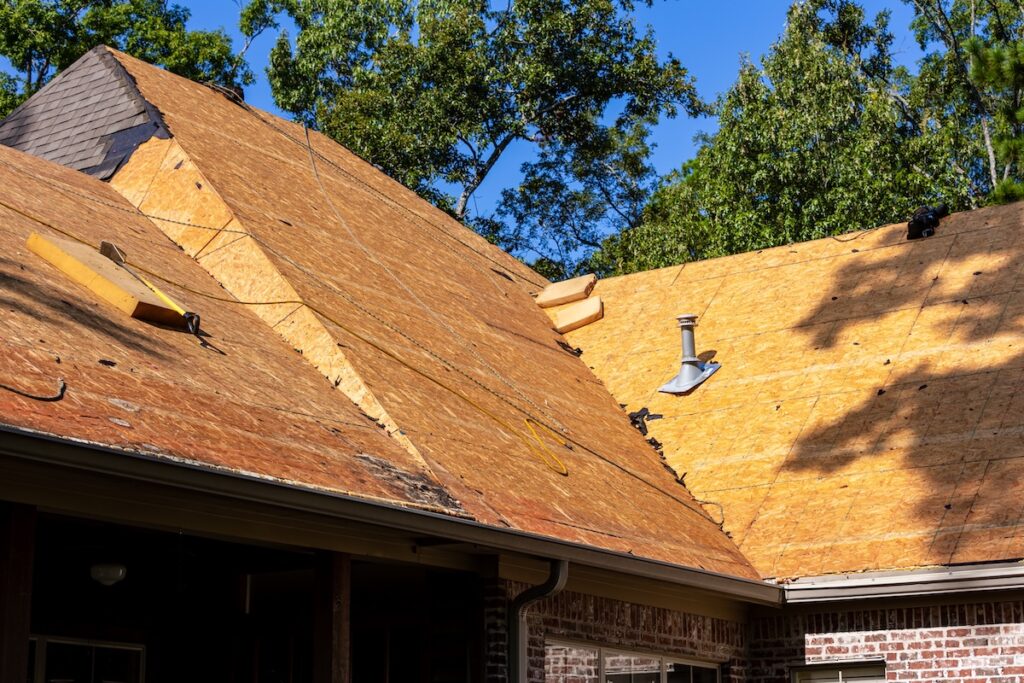
- Old age: If your current roof is more than 20 years old and showing signs of wear, a full replacement may be more cost-effective.
- Recurring problems: If you’ve had multiple leaks or repairs, it may be time for a fresh start with a better material.
- Style upgrade: If you’re renovating your exterior, a new modern roof can complete the transformation.
When to Consider Partial Upgrades
- Localized damage: If only one section of your roof is affected, materials like metal or synthetic options can be integrated.
- Insurance claims: You may be eligible to upgrade materials after storm damage, depending on your policy.
👍 Modern Roofing Services That Protect and Impress
Today’s modern roofing systems offer unbeatable combinations of style, performance, and longevity. Whether you’re drawn to the clean lines of metal, the sophistication of synthetic slate, or the innovation of solar shingles, there’s a modern roof option to match your goals.
At Whitt’s Quality Roofing, we help homeowners find roofing solutions that are built to last and designed to impress. If you’re considering a modern roof upgrade, contact Whitt’s today for a free roof inspection and personalized recommendation from our experienced team.


